

Securing and maintaining philanthropic funding requires absolute precision. Because competitive grants are scored, not read. An assessor works through a stack of applications against published criteria with rigid weightings attached, usually under immense time pressure. Therefore, the application that wins is rarely the one describing the best work. Rather, it is the one that made scoring easy. This operational reality is the foundation of our Grant and Submission Writing services at Connect Australia Pty Ltd.
Building the Assessment Matrix
The first task is never writing. Instead, it is building the matrix.
A properly constructed matrix contains every assessment criterion, quoted exactly as the guidelines word it. Furthermore, it details the weighting attached to each criterion. It outlines exactly what the guidelines require as evidence. It maps what your organisation currently holds against those requirements. Ultimately, it identifies the gap and assigns responsibility for closing it.
While it takes an hour or two to build, it is the highest-value time in the entire process for two critical reasons:
- Reason One: It tells you whether to apply at all. Sometimes the matrix makes it obvious within twenty minutes that the organisation cannot meet a mandatory criterion. Alternatively, it reveals that a heavily weighted criterion is exactly the area where you have nothing to show. Three weeks of unpaid effort on an application you were never going to win is a severe commercial cost.
- Reason Two: It structures the writing. Once the matrix exists, the application writes itself in the assessor’s order rather than yours. Consequently, each section answers the question asked, states the evidence, and points directly to the attachment. Nothing important ends up in the wrong place, which is exactly where a surprising amount of good material goes to die.
Specificity is What Gets Scored
Assessors reward numbers, dates, named partners, defined outputs, and a clear statement of what changes if the money arrives. Stating “we support vulnerable people in our community” scores poorly. Conversely, stating “we delivered 1,240 meals across three suburbs last financial year, with two named partner agencies, and this grant extends that to a fourth” secures the funding.
The Logistics Kill More Applications Than The Prose
A letter of support that never arrived. Financial statements submitted in the wrong format. A portal that closed strictly at 2:00 PM rather than midnight.
You must hold a contributor schedule with names and dates against it, and chase it early. Because the most common cause of a failed submission is not weak writing; it is administrative failure. Detailed, thorough reporting ensures the ongoing reliability of your funding.
Jessie Zhouand: Leadership in the Not-For-Profit Sector
Jessie Zhouand brings extensive, board-level experience to our Grant and Submission Writing division. She deeply understands the operational burden placed on grassroots organisations. As the Director of the Hope and Wish Foundation, and drawing from her own background documented in Zhouand: A Migration Journey, she provides measured, strategic leadership.
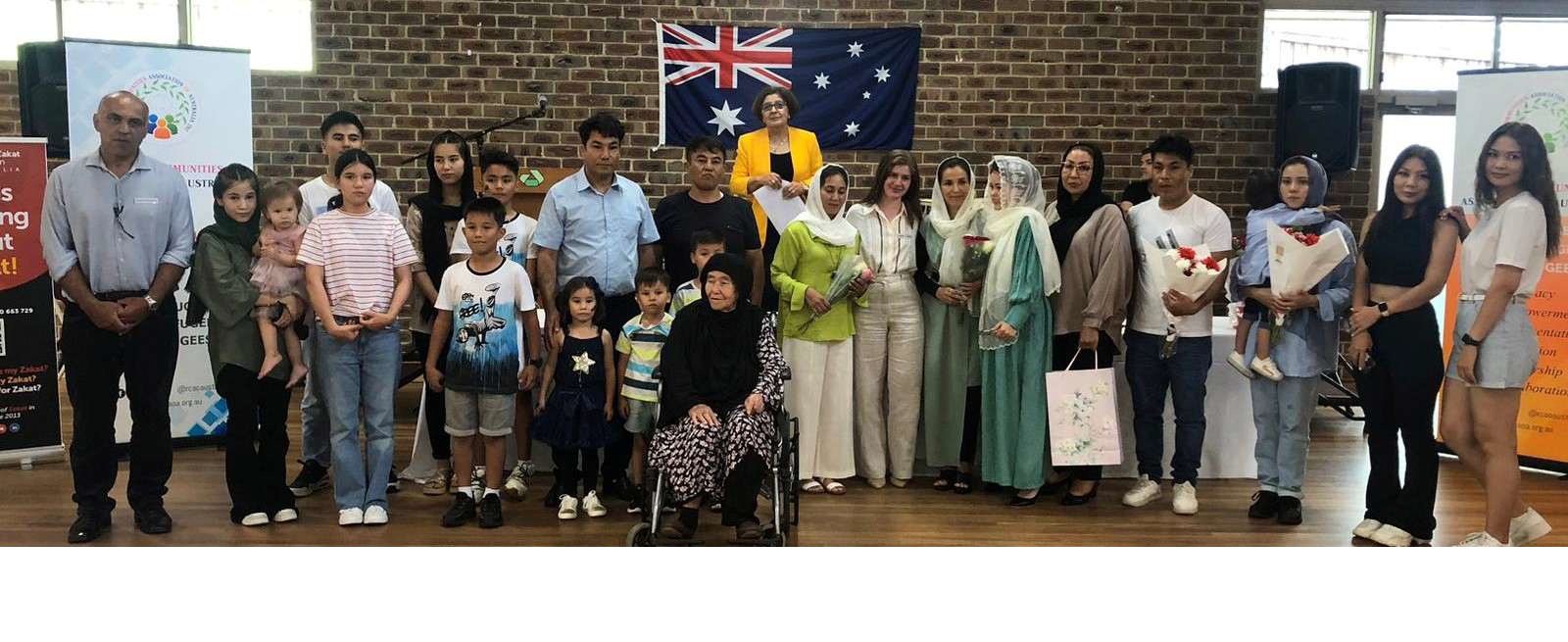
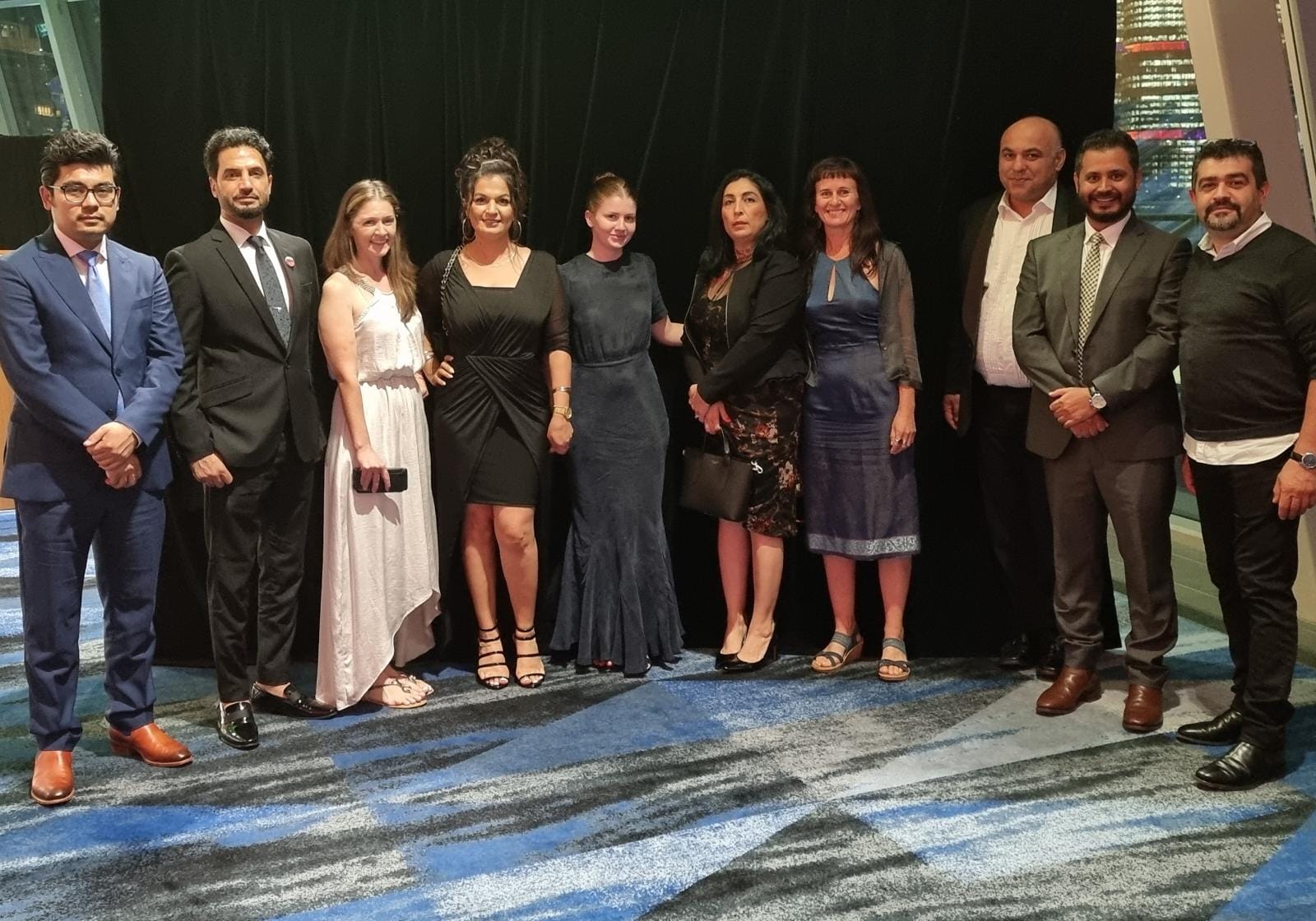
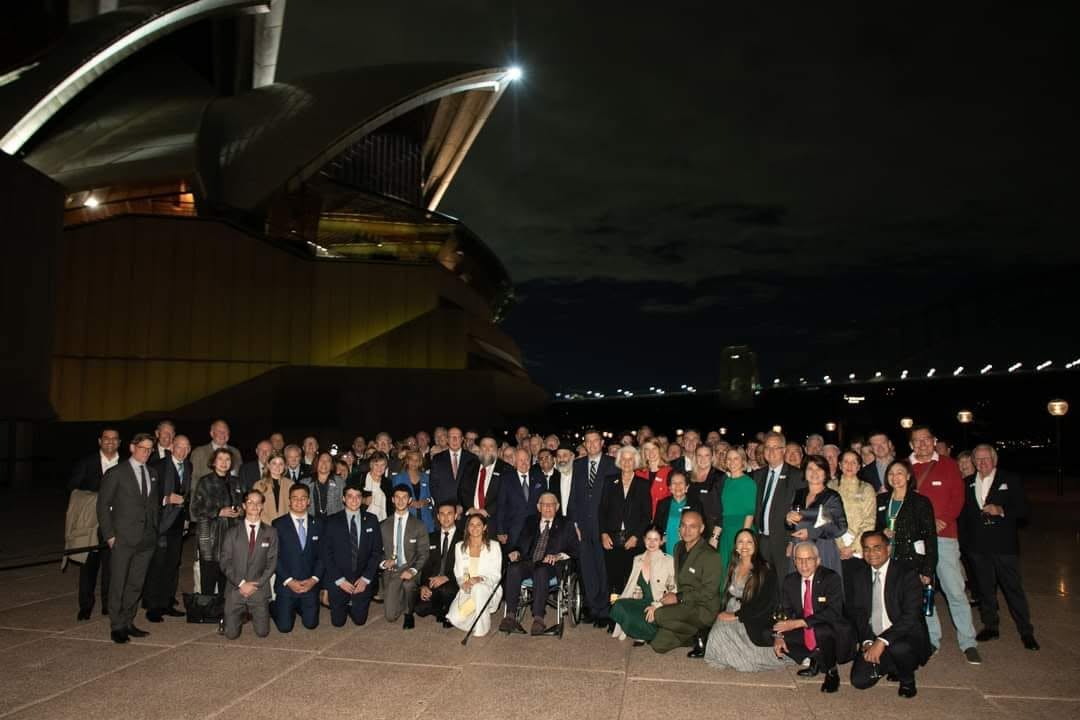
Beyond migration advocacy, Jessie continuously assists the veteran community. By supporting the Veteran Games through the Veterans Support Force, she helps secure vital resources for those who served. Furthermore, she actively fights against systemic discrimination, participating in the Tom Hughes Oration to stand against antisemitism. This lived experience ensures that when Jessie constructs an application, the narrative is both structurally flawless and deeply compelling.
Comprehensive Charity Support: Beyond the Grant
Securing the initial grant is only the beginning. Proper regulatory foundations are required to retain it. Therefore, Jessie and the Connect Australia team provide a complete suite of compliance services.
We manage complex DGR applications to unlock philanthropic donations. We execute flawless charity registration through the ACNC. And when regulators demand answers, we provide meticulous preparation for any formal request for information (RFI). By removing the administrative burden, we allow your board to focus entirely on impact.
Fee Structures and Disclaimers
Connect Australia Pty Ltd does not charge success fees, nor do we guarantee funding outcomes. Assessment remains entirely the funder’s prerogative.
Furthermore, we are not lawyers, accountants, or registered tax agents. Our role is strictly limited to non-legal case management, strategic administrative coordination, and professional submission structuring.
Secure Your Funding Foundation Today
If your organisation requires rigorous, structured assistance with a high-stakes application, audit, or registration, do not leave it to chance. We invite you to reach out. Engage our team to bring precision to your compliance.
St Leonards NSW 2065
View on Google Maps
(By appointment only)
Landline: 02 9957 6219
Email: connect@connectaustralia.com.au